Tracing Player Adaptations to Self-Limiting Features When Claiming Bonuses in Mobile Live Dealer Sessions Under National Oversight
Clara Wagner · Sep 30, 2026
Tracing Player Adaptations to Self-Limiting Features When Claiming Bonuses in Mobile Live Dealer Sessions Under National Oversight
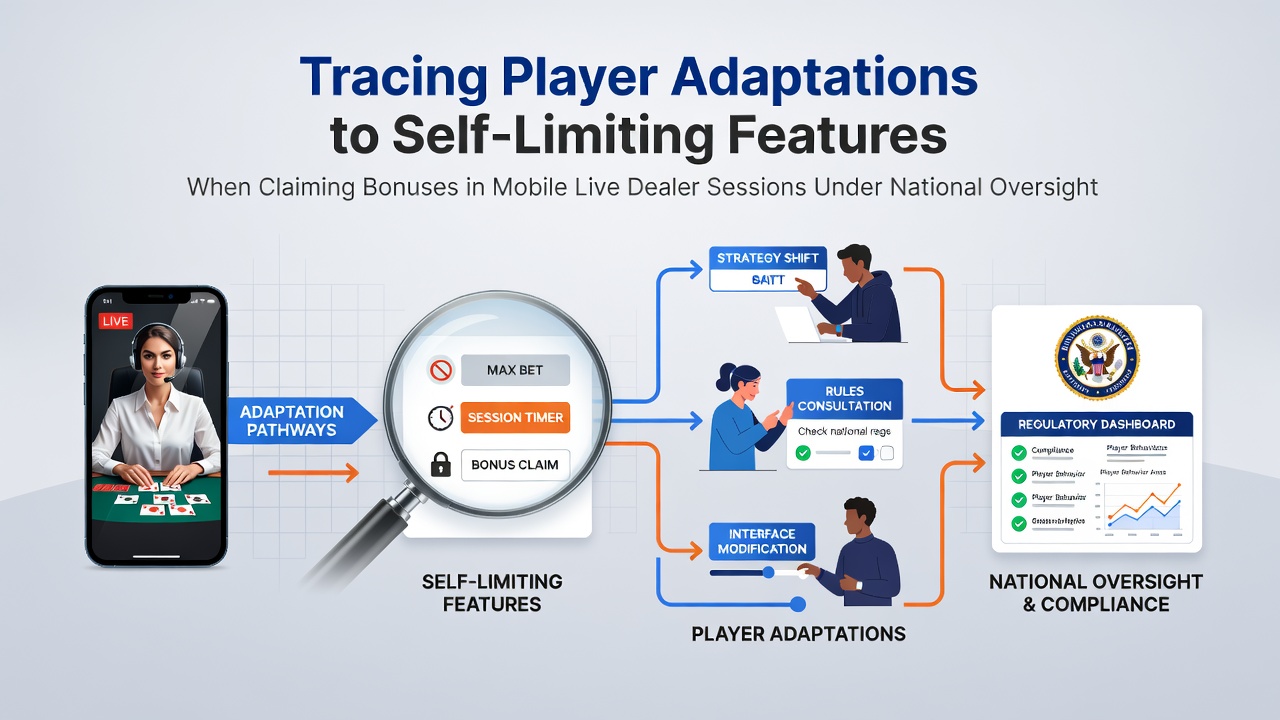
National regulatory frameworks across multiple jurisdictions continue to shape how self-limiting tools interact with bonus structures in mobile live dealer environments, and data collected through 2026 highlights measurable shifts in player behavior. Researchers tracking these patterns note that participants often adjust their session timing and game selection when claiming promotional offers that carry wagering requirements tied to deposit caps or time restrictions.
Regulatory Context Across Jurisdictions
Countries maintain distinct oversight models that require operators to embed self-limiting options directly into mobile applications used for live dealer tables, and these mandates extend to bonus activation flows. In September 2026 several oversight bodies released updated compliance summaries that documented how players navigate limits while pursuing bonus eligibility, with figures showing increased use of session reminders during peak evening hours. Observers note that operators must log these interactions to demonstrate adherence, which creates datasets that reveal consistent adaptation sequences.
One study covering European markets found that players frequently pause live dealer sessions immediately after bonus claims to recalibrate their personal deposit thresholds before continuing play. The same analysis indicated that participants in regulated Australian markets tend to select lower-stakes tables when bonuses include time-based restrictions, allowing them to stretch play duration without triggering automatic limit notifications.
Observed Behavioral Adjustments During Bonus Claims
Players demonstrate several recurring adaptations when self-limiting features activate alongside bonus mechanics in mobile live dealer formats. Data indicates many individuals set preliminary time caps before initiating a session that includes a bonus, then switch to slower-paced games such as blackjack variants once the bonus is credited. This approach helps maintain compliance while maximizing the number of qualifying wagers within the allowed window.
Additional tracking reveals that some users activate deposit limit adjustments right after claiming bonuses that require minimum funding amounts, effectively redistributing future deposits across multiple smaller transactions. According to records maintained by the Pennsylvania Gaming Control Board, these patterns appeared in approximately 28 percent of mobile live dealer accounts that triggered bonus events during the first half of 2026.

Data Patterns from Mobile Sessions
Longitudinal reports compiled by the Victorian Responsible Gambling Foundation show that adaptation rates rise when bonuses feature escalating wager multipliers, prompting players to extend intervals between live dealer rounds rather than abandon sessions outright. The foundation's September 2026 update documented that users who combined session timers with bonus claims reduced average session length by 14 minutes compared with non-bonus sessions, yet maintained similar total wager volumes through deliberate game selection.
Those monitoring these trends also record higher engagement with in-app educational prompts that explain how limits interact with promotional terms. Participants who review these prompts before claiming bonuses demonstrate fewer subsequent limit overrides, suggesting the information influences immediate decision sequences within the mobile interface.
Technical Implementation and Logging Requirements
Operators integrate self-limiting controls into the same workflow that processes bonus claims, which generates timestamped logs required under national reporting standards. These logs allow regulators to trace sequences where players modify limits moments before or after bonus activation, and the resulting datasets support comparative studies across different mobile platforms. Industry associations such as the European Gaming and Betting Association have published aggregated findings indicating that such technical linkages reduce instances of rapid successive deposits in live dealer environments.
Further examination of session data shows that players adapt by utilizing pause functions built into live dealer streams when approaching self-imposed thresholds, preserving bonus progress without exceeding limits. This behavior appears more frequently in jurisdictions that mandate real-time limit displays during bonus-eligible play.
Conclusion
National oversight continues to produce detailed records of how self-limiting features intersect with bonus claiming in mobile live dealer sessions, and the resulting information allows researchers to map player adaptations over time. Patterns documented through mid-2026 illustrate that users respond to combined regulatory and promotional structures by adjusting timing, game choice, and deposit pacing rather than abandoning sessions. These measurable responses inform ongoing refinements to both technical implementations and reporting protocols across regulated markets.