How Swedish Statutes Influence Secure Payment Flows and Self-Limiting Tools in Mobile Live Dealer Environments
Ulrich Berger · Aug 26, 2026
How Swedish Statutes Influence Secure Payment Flows and Self-Limiting Tools in Mobile Live Dealer Environments
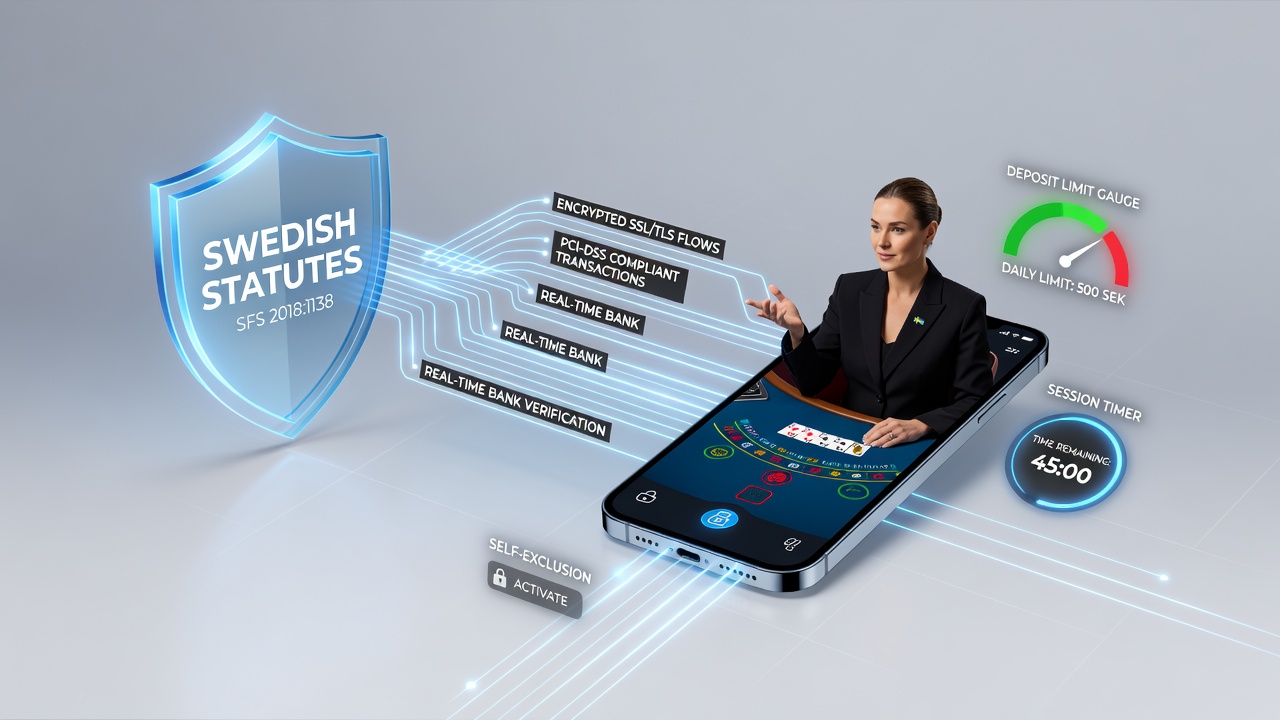
Swedish legislation shapes payment security and player protection features across mobile live dealer platforms through a combination of licensing requirements and technical mandates that operators must follow. The Gambling Act of 2019 established core rules that continue to guide how funds move between players and licensed sites while enforcing limits on spending and session length in real time environments.
Regulatory Framework for Payment Security
Operators licensed by Spelinspektionen must route all transactions through approved payment service providers that meet strict anti-money laundering standards and conduct ongoing verification of player identities. Data from regulatory filings shows that these requirements reduce unauthorized transfers and ensure that deposits and withdrawals occur only through channels with documented audit trails. Mobile applications hosting live dealer tables integrate these controls directly into the interface so that every wager processes under the same compliance checks applied to traditional online formats.
Statutes also require separation of player funds from operational accounts which creates an additional layer of protection during high-volume live sessions. This separation becomes particularly relevant when players switch between multiple tables or participate in progressive jackpot features streamed in real time. Payment flows therefore operate within defined parameters that limit exposure while maintaining the speed needed for interactive gameplay.
Self-Limiting Tools Mandated by Statute
Swedish law requires every licensed platform to offer deposit limits, loss limits, and time restrictions that players can activate before or during play. These tools update automatically across devices so that a limit set on a desktop account carries over to the mobile application without additional steps. Live dealer environments present unique challenges because sessions can extend for hours with continuous interaction yet the same statutory obligations apply.
Spelpaus the national self-exclusion register integrates directly with operator systems allowing players to suspend access across all licensed sites for periods ranging from one month to lifelong. Mobile applications must check the register in real time before permitting entry to live tables and must block any attempt to bypass the exclusion through account switching. Research conducted by European gambling studies groups indicates that such integrated systems correlate with measurable reductions in excessive play patterns among users who activate the tools.
Application to Mobile Live Dealer Formats
Live dealer games streamed to mobile devices combine video feeds with instant betting interfaces which creates additional compliance points under current statutes. Operators must ensure that self-limiting prompts appear at regular intervals during extended sessions and that payment confirmations require explicit player acknowledgment rather than automatic processing. These measures address the immersive nature of live environments where visual engagement might otherwise encourage prolonged activity without breaks.
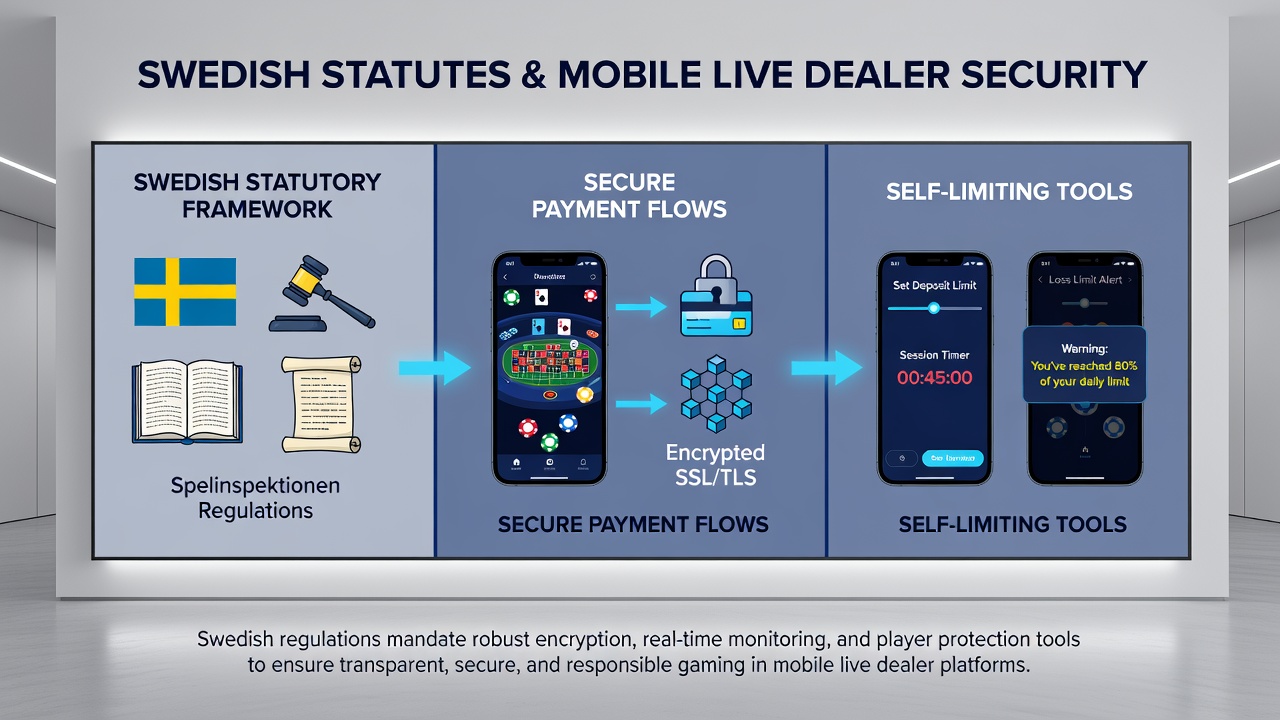
Technical standards issued by the authority specify how authentication protocols and encryption must function on mobile networks to prevent interception of transaction data during live play. As of August 2026 operators continue to update their systems to align with evolving network security expectations while preserving the seamless experience demanded by users. Figures released by industry monitoring organizations reveal steady compliance rates among licensed mobile platforms operating in the Swedish market.
International Comparisons and Data Trends
Observers note that Sweden's approach differs from frameworks in other jurisdictions such as those overseen by the Alcohol and Gaming Commission of Ontario or reports from the Australian Gambling Research Centre yet shares common goals around payment integrity and harm minimization. Cross-border data comparisons show that mandatory self-limiting features appear more frequently in Swedish mobile applications than in markets where such tools remain optional. This difference influences how international operators design their live dealer products for the Swedish audience specifically.
Conclusion
Swedish statutes establish clear expectations for secure payment routing and enforceable self-limiting mechanisms that apply uniformly to mobile live dealer environments. Licensed operators implement these requirements through integrated software that maintains compliance without disrupting real-time gameplay. Ongoing regulatory updates and technical refinements continue to shape how these systems function as player volumes and technology evolve.